Table of contents
Step into a world where tradition gracefully meets innovation. The allure of modern interpretations of classic Japanese garments captivates fashion enthusiasts and cultural explorers alike. Uncover how contemporary designers are reimagining time-honored silhouettes, breathing new life into ancient styles and inviting you to experience the harmonious fusion of heritage and modernity. Continue reading to explore the evolution, artistry, and global influence of these transformed classics.
The evolution of Japanese clothing
Traditional Japanese clothing, known collectively as wa-fuku, has undergone a remarkable transformation from its origins in the Heian period to the modern era. Initially, garments like the kimono were crafted with meticulous attention to social rank and seasonality, featuring elaborate designs and materials that reflected both status and occasion. Over centuries, kimono evolution has been shaped by political shifts, such as the Meiji Restoration, which introduced Western influences and encouraged innovation in textile technology. This era marked a turning point in Japanese fashion history, as practicality and comfort began to blend with the preservation of cultural heritage.
Shifts in social norms have played a significant role in the adaptation of wa-fuku. During the post-war years, rapid urbanization and the adoption of Western dress standards led many to reserve traditional garments for formal or ceremonial contexts. Yet, the allure of these garments persisted, inspiring designers to reinterpret them for contemporary lifestyles. Modern kimono now often feature streamlined silhouettes, bold patterns, and new fabrics, making them accessible and appealing to younger generations who seek to express their individuality while maintaining a connection to their roots.
Cross-cultural exchanges continue to influence the dynamic evolution of traditional Japanese clothing. International collaborations and global fashion trends encourage experimentation with layering, fusion of Eastern and Western aesthetics, and innovative tailoring techniques. As contemporary designers revisit classic forms, they contribute to a living tradition—one that honors the richness of Japanese fashion history while ensuring its relevance in an interconnected world. This ongoing dialogue between past and present not only preserves wa-fuku as a vital aspect of cultural heritage but also propels it into new realms of creativity and self-expression.
Modern reinterpretations in fashion
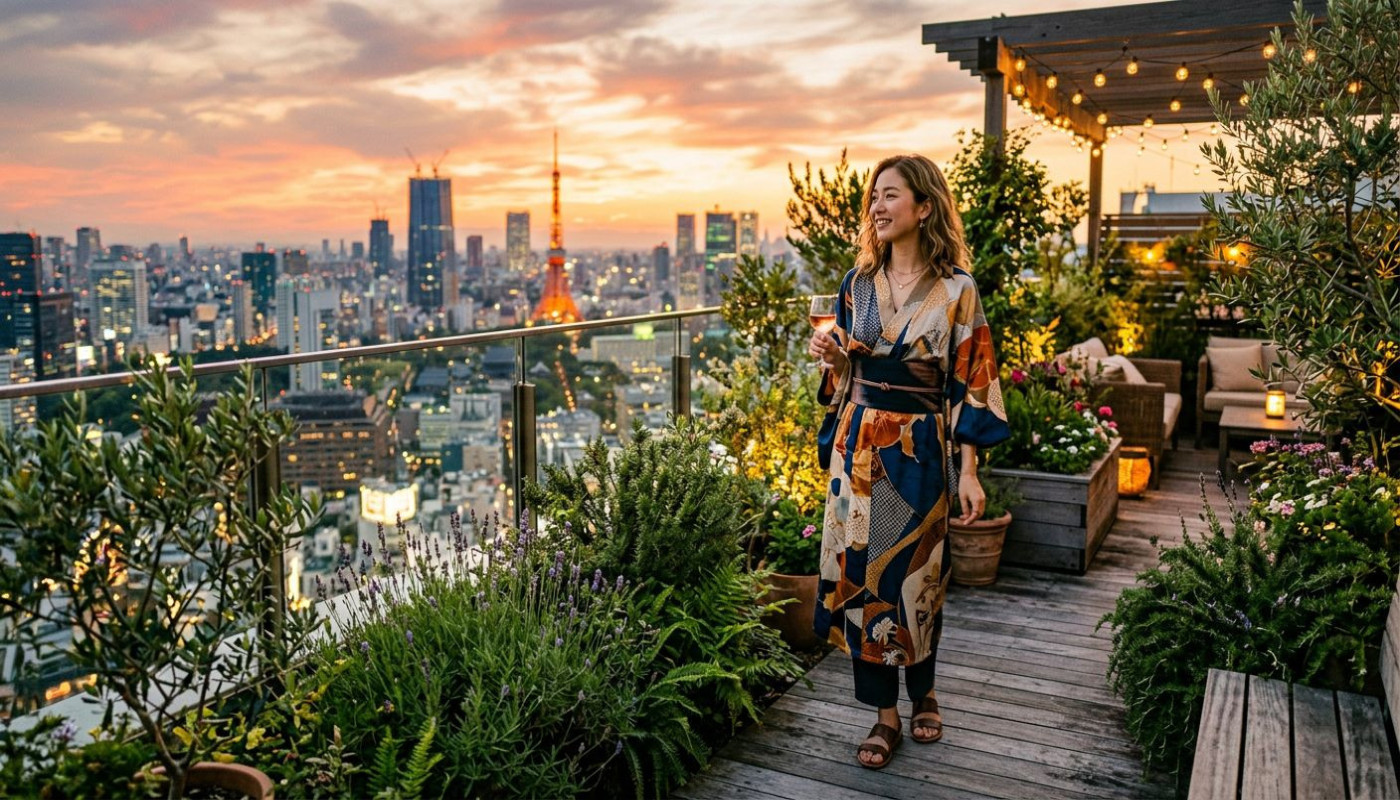
Modern Japanese fashion continues to captivate global audiences by reimagining traditional garments such as the kimono through innovative approaches to design. Pioneering designers expertly blend heritage details with contemporary aesthetics, resulting in kimono-inspired clothing defined by unique silhouettes, unexpected fabric combinations, and striking embellishments. Techniques like deconstruction allow creators to break down classic forms, reconstructing them with asymmetrical cuts or updated proportions. This fusion of old and new is further amplified by the use of luxurious recycled materials, natural fibers, and ethical production methods, highlighting a growing commitment to sustainable fashion within contemporary Japanese design. As a result, these modern interpretations not only pay tribute to centuries-old traditions but also appeal to a generation seeking fashion innovation alongside environmental responsibility. For readers interested in exploring these trends and discovering curated collections, the article at https://japan-clothing.com/ offers valuable insights into the evolution of Japanese apparel and its dynamic place in the world today.
Cultural symbolism and significance
Traditional Japanese garments serve as canvases for profound Japanese garment symbolism, where every motif and hue is chosen with intent. From timeless cranes symbolizing longevity to waves representing resilience, kimono meaning extends far beyond mere aesthetics—each pattern holds historic and spiritual weight, echoing stories of identity, status, and occasion. Modern designers, while innovating silhouettes and fabrics, often retain or reinterpret these cultural motifs using advanced textile techniques. Iconographic analysis reveals that, even as contemporary fashion trends infuse fresh influence, the underlying messages of strength, harmony, and nature persist in Japanese textile art. Color symbolism remains a potent language; red signifies celebration, indigo protection, and white purity. The vibrant dialogue between past and present is especially visible in the adaptation of traditional patterns, challenging and redefining emotional and social narratives within society.
A distinguished textile anthropologist would likely illuminate how these evolving garments act as both cultural memory and progressive statement, reflecting shifting notions of self and community. Such expert perspectives underscore that the preservation and transformation of symbolic language in modern Japanese attire is not mere nostalgia; rather, it is an active negotiation of heritage and innovation. The reimagining of kimono meaning in contemporary settings highlights the enduring relevance of cultural motifs, ensuring Japanese textile art continues to inspire, educate, and connect across generations. Whether subtly referenced or boldly displayed, traditional patterns remain a living testament to the nation’s artistry and its ongoing conversation with the world.
Global impact and influence
Modern reinterpretations of traditional Japanese garments have left a distinctive mark on the international fashion scene, reshaping global fashion trends and captivating designers and enthusiasts alike. The Japanese fashion influence is evident in both haute couture presentations and the evolution of Japanese street style, inspiring innovations from Paris to New York. This process is a textbook example of cultural diffusion, as elements like kimono silhouettes, obi-inspired belts, and intricate textile techniques migrate into mainstream collections worldwide. Cross-cultural fashion collaborations, such as partnerships between Japanese designers and Western luxury brands, further amplify these aesthetics, creating hybrid garments that bridge continents and traditions.
The reception of these modernized Japanese styles has been notably enthusiastic across diverse markets. International fashion houses regularly feature nods to Japanese craftsmanship and philosophy, while everyday urban wear in cities from London to Los Angeles reflects the versatility and appeal of Japanese street style. As a recognized authority in global fashion critique, it is clear that the fusion of heritage and contemporary design not only enriches collections but also shapes the broader narrative of cross-cultural fashion. The ongoing embrace of Japanese aesthetics continues to propel innovation, reinforcing the enduring impact of Japan’s sartorial legacy on worldwide fashion evolution.
The future of Japanese-inspired fashion
The future of Japanese fashion stands at a fascinating crossroads, where fashion technology and heritage preservation shape a continually evolving narrative. Respected fashion futurists engaging in trend forecasting predict that smart textiles, augmented reality dressing rooms, and personalized design algorithms will play pivotal roles in fashion innovation trends. As technology progresses, the integration of traditional techniques with digital fabrication methods could both invigorate and complicate efforts toward cultural continuity. Designers may face the intricate balance of respecting historical aesthetics while leveraging contemporary tools, requiring sensitive strategies for heritage preservation amid rapid modernization. The future of Japanese fashion will likely see sustainable practices and ethical sourcing become more prominent themes, as consumers demand transparency and authenticity in their apparel choices.
Trend forecasting further suggests new opportunities and obstacles for creators aspiring to blend time-honored motifs with state-of-the-art processes. The dialogue between innovation and tradition, central to the future of Japanese fashion, could inspire collaborations across international borders, sparking global appreciation for these garments. However, challenges such as cultural appropriation, dilution of heritage, and intellectual property concerns will demand vigilance and adaptability. Designers working at the intersection of past and future must employ trend forecasting to remain responsive to shifting tastes and to protect the rich cultural legacy at the heart of Japanese-inspired fashion. Ultimately, the path forward encourages a thoughtful synergy between innovation and authenticity, ensuring fashion innovation trends honor the enduring significance of Japanese design.
Similar articles

The Ultimate Guide To Styling Parachute Pants For A Modern Look

How To Style Leopard Print For Everyday Wear
